



1. Executive Summary
Generative AI is rapidly transforming business, creating both unprecedented opportunities and complex challenges for executives. Successfully integrating generative AI into operations hinges on two critical elements: high-quality data and robust, scalable infrastructure. This article explores the crucial role of these components in training, deploying, and scaling generative AI solutions to achieve a tangible competitive advantage. We’ll equip C-suite leaders with actionable strategies for navigating the complexities of generative AI, from data curation to cloud infrastructure optimization, and address key considerations for enterprise-wide success.
Simply adopting the latest generative AI technology isn’t enough. Realizing the transformational potential of generative AI requires a strategic investment in both data and infrastructure. Without these crucial components, initiatives often fall short of expectations, yielding disappointing results and a poor return on investment. This guide provides executive-level insights into building a data and infrastructure strategy that lays the foundation for effective generative AI implementation.
Generative AI isn’t a plug-and-play solution. It demands a strategic investment in data and infrastructure to ensure optimal performance, scalability, and security. Building a solid foundation starts with rigorously assessing data needs, selecting the right infrastructure, and implementing robust governance mechanisms. By prioritizing these elements, organizations can fully unlock the transformative value of generative AI.
This analysis delves into the critical elements of an effective generative AI data and infrastructure strategy, offering practical guidance to empower business leaders to make informed decisions. We’ll explore the importance of data quality, discuss best practices for data curation and governance, and examine the key considerations for building a robust and scalable infrastructure. Finally, we’ll address critical questions around responsible AI development, talent acquisition, and the measurement of ROI.
For C-suite executives, understanding the interplay of data and infrastructure is paramount. This executive guide will provide a clear roadmap for navigating the complexities of generative AI and ensuring a successful integration that drives impactful results. This requires a strategic approach that balances data quality with scalable infrastructure, enabling companies to innovate rapidly while minimizing risk.
2. The Importance of High-Quality Data
High-quality data is the lifeblood of effective generative AI solutions. Generative models, such as large language models (LLMs), are trained on massive datasets, and their performance is inextricably linked to the quality of that data. Accurate, complete, and representative data is essential for training models that produce meaningful and reliable outputs. Biased, incomplete, or inaccurate data can lead to poor results, flawed insights, and even perpetuate harmful biases.
Companies must prioritize building a robust data strategy for generative AI. This includes investing in data cleaning and preprocessing, ensuring data consistency, and establishing mechanisms for ongoing data validation. Collaborating with data experts can help businesses identify and acquire the right datasets for their specific needs, leading to improved model performance, reduced bias, and more accurate, actionable results.
2.1. Data Curation and Preparation
Before data can be used to train generative AI models, it must undergo thorough curation and preparation. This involves cleaning the data, removing errors, inconsistencies, and ensuring format consistency. Well-curated data significantly improves model accuracy, reduces bias, and leads to more reliable results. Conversely, poorly prepared data can introduce noise into the system, hindering the model’s ability to learn meaningful patterns and diminishing the effectiveness of the entire AI initiative.
As a first step, organizations should conduct a thorough audit of their data assets to assess data quality, completeness, and relevance. This involves identifying potential biases, gaps, and areas requiring further attention. Once the audit is complete, companies can begin curating their data to prepare it for generative AI training, ensuring it meets the highest standards of accuracy and relevance.
Data curation is not a one-time task; it’s an ongoing process that requires diligent attention to detail and a commitment to maintaining data quality over time. This continuous process ensures that the data feeding the generative AI models remains relevant, accurate, and free from biases that can skew results. Continuous data curation is an essential investment for maximizing the long-term value of any generative AI initiative.
2.2. Data Management and Governance
For companies working with sensitive information, effective data management and governance are paramount. This includes implementing strong data security measures to ensure compliance with relevant data privacy and protection regulations, such as GDPR, CCPA, and HIPAA. Failure to comply can result in significant fines and reputational damage, impacting customer trust and business sustainability.
Establish clear policies for data handling, access control, and regulatory compliance. This includes training employees on responsible data management practices and conducting regular audits to ensure adherence to policies and regulations. Furthermore, organizations must prioritize transparency and accountability in their generative AI processes, building trust with stakeholders and mitigating ethical risks associated with using sensitive data. According to a McKinsey report, companies with strong data governance practices are 20% more likely to achieve positive ROI on their AI initiatives.
Investing in robust data governance frameworks not only mitigates legal and ethical risks but also strengthens the foundation for successful generative AI implementation. A well-defined data governance strategy ensures data quality, consistency, and security, ultimately enabling organizations to confidently harness the power of generative AI to drive innovation and growth.
3. Building a Robust Infrastructure
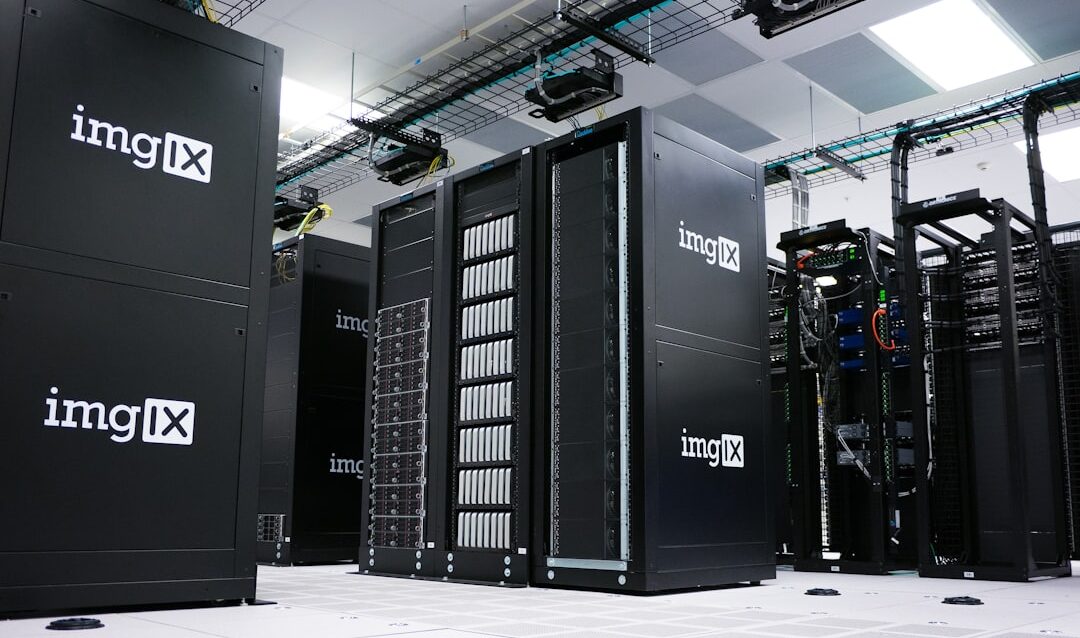
A robust infrastructure is the cornerstone of successful generative AI initiatives. This includes having adequate hardware, software, and computational resources to support the heavy demands of training, deploying, and scaling generative models. Cloud computing offers a scalable and cost-effective solution for generative AI infrastructure, allowing companies to access resources on demand without significant upfront investments in hardware.
Choosing the right cloud infrastructure is crucial for performance and scalability. Evaluate the capabilities of different cloud providers and select the platform best suited to specific needs. Factors to consider include computing capabilities, storage options, data management tools, and support for popular AI frameworks. Collaborating with an AI-specialized cloud provider can furnish the expertise and support needed to build and deploy robust generative AI solutions. Google Cloud, for example, offers a range of AI services, including infrastructure, platforms, and pre-trained models.
Building a future-proof infrastructure also means anticipating the evolving needs of generative AI. This requires a flexible approach that allows for seamless scaling of resources as AI initiatives grow in complexity and data volume. Prioritizing scalability and adaptability ensures that the infrastructure can support the continuous advancements in generative AI technology, maximizing long-term value and minimizing the need for costly overhauls.
3.1. Cloud Computing for Generative AI
Cloud computing has emerged as a critical platform for developing and deploying generative AI applications, offering unmatched flexibility, scalability, and cost-effectiveness. By leveraging cloud services, organizations can access the vast resources needed to train, fine-tune, and deploy large language models (LLMs) and other generative models, without the expense of building and maintaining their own computationally intensive infrastructure. This enables organizations to experiment with different architectures and scale resources as their needs evolve, ensuring optimal performance and cost efficiency.
Selecting the right cloud provider is essential. AWS, Microsoft Azure, and Google Cloud offer a comprehensive suite of services specifically designed for generative AI workloads. Each platform has its strengths. AWS excels in open-source support, Azure in enterprise integration, and Google Cloud in cutting-edge research and development. Evaluate your organization’s requirements and choose the platform that best aligns with your specific use cases.
Within your chosen cloud ecosystem, selecting the right services is paramount. For both training new models and fine-tuning existing ones, AI-optimized computing services, such as Graphics Processing Units (GPUs), are essential for optimal performance. These services enable companies to significantly accelerate the training process, reducing the time required to develop and deploy generative AI models. Consider the data storage capabilities of the cloud platform, prioritizing those offering secure and scalable options for storing and managing the large datasets used in generative AI. Efficient data storage and management are key to streamlining the training process and ensuring the integrity of the data used in generative AI models.
4. Scalability and Performance
As companies scale their generative AI solutions, scalability and performance become even more critical. The infrastructure must be able to handle increasing data volumes, processing demands, and user requests. Optimizing infrastructure performance is essential to guarantee that generative AI applications can deliver timely and accurate results. Consider techniques like distributed computing, caching, and model tuning to maximize performance.
Ensuring robust and scalable infrastructure for generative AI applications often requires going beyond standard cloud computing options. As the computational demands of generative models increase, businesses need to explore specialized solutions that can handle the immense processing load. GPU clusters, for instance, provide the power needed to train and run complex models, offering significantly greater performance than traditional compute instances. These clusters are specifically designed for computationally intensive workloads, making them ideally suited for generative AI applications that require massive parallel processing of data. Explore customized hardware platforms optimized for the specific operations used in generative AI. These dedicated hardware systems can offer an additional performance boost by accelerating the calculations used in data generation and processing.
A proactive approach to scalability and performance is essential for maximizing the value of generative AI investments. By anticipating future needs and implementing adaptable solutions, organizations can maintain a competitive edge and ensure that their generative AI infrastructure remains robust and efficient, even as data volumes and processing demands continue to grow.
5. FAQ
Question: How can we ensure responsible AI development and deployment?Answer: Establish clear ethical guidelines, conduct thorough risk assessments, and prioritize transparency and explainability in AI systems. Focus on mitigating biases, ensuring fairness, and protecting sensitive data throughout the AI lifecycle. Engage with ethicists and legal experts to navigate the complex landscape of responsible AI.
Question: What are the key skills needed to build and manage generative AI solutions?Answer: Expertise in data science, machine learning, prompt engineering, and cloud computing is essential, along with a strong understanding of relevant business domains. Building a successful generative AI team requires a multidisciplinary approach, bringing together specialists in various fields to ensure a holistic and effective implementation.
Question: How can companies measure the ROI of generative AI investments?Answer: Focus on metrics aligned with business objectives, such as improved efficiency, reduced costs, enhanced customer satisfaction, and increased revenue generation. Track key performance indicators (KPIs) like time saved, resources optimized, and quality improvements. Establish a clear framework for measuring the impact of generative AI on specific business outcomes, enabling data-driven decision-making and continuous optimization.
Question: What are the legal and regulatory implications of using generative AI?Answer: Stay informed about evolving data privacy regulations, intellectual property rights, and potential liabilities related to AI-generated content. Consult with legal experts to ensure compliance and mitigate risks. As the regulatory landscape continues to evolve, proactively address potential legal challenges to ensure responsible and sustainable AI implementation.
6. Conclusion
Generative AI offers a transformative opportunity for businesses across all industries. However, to fully capitalize on its potential, companies must prioritize building a solid foundation of high-quality data and a robust, adaptable infrastructure. By investing strategically in these critical areas, organizations can unlock the true power of generative AI to drive innovation, enhance efficiency, and gain a significant competitive edge.
As the generative AI landscape continues to evolve at a rapid pace, businesses must adapt and evolve their data and infrastructure strategies accordingly. By staying ahead of the curve, organizations can effectively mitigate emerging risks, capitalize on new opportunities, and fully reap the rewards of this transformative technology. Continuous learning and adaptation are essential for navigating the complexities of generative AI and ensuring long-term success.
By addressing key challenges and adopting a proactive, strategic approach, organizations can harness the full power of generative AI and position themselves for success in an increasingly competitive business landscape. Generative AI is not merely a passing trend; it is a transformative force that will reshape industries and redefine the future of business. By investing wisely in data and infrastructure, organizations can lead the charge and shape that future to their advantage.