



1. Executive Summary
Enterprise generative AI is rapidly transforming business, presenting unprecedented opportunities and challenges for C-suite leaders. This executive guide provides a strategic framework for understanding and harnessing the potential of generative AI, from optimizing operations to creating entirely new business models. This technology is driving innovation and digital transformation at an accelerated pace, demanding a proactive approach.
To thrive in this new era, businesses must prioritize robust data strategies, agile development processes, and a responsible approach to talent acquisition and ethical considerations. C-suite leaders must grasp the strategic implications of generative AI, including its capabilities, limitations, and potential risks. This guide offers valuable insights to navigate the evolving landscape of generative AI and unlock its transformative power.
This guide focuses on practical considerations for implementation, including selecting appropriate use cases, assessing data readiness and infrastructure requirements, and developing strong governance and ethics guidelines. We also examine market dynamics and the ecosystem, including emerging trends, key players, and the role of open-source technologies. By providing a comprehensive understanding of the opportunities, risks, and key strategies, this guide empowers executives to make informed decisions and lead their organizations toward successful generative AI integration.
Finally, this guide offers a forward-looking perspective on the trajectory of generative AI, highlighting potential areas of innovation and emerging challenges. By understanding the long-term implications, C-suite leaders can position their organizations for sustained success and competitive advantage in the age of AI. This requires a deep understanding of the evolving technological landscape and a commitment to responsible implementation.
2. Foundational Pillars of Generative AI
Generative AI rests upon four foundational pillars that enterprises must understand: foundational models, prompt engineering and fine-tuning, AI-native application development, and data and infrastructure. Foundational models, such as large language models (LLMs), provide the bedrock for generative AI, offering unprecedented capabilities in content creation, code generation, and data analysis. These models are pre-trained on massive datasets and can be adapted to a wide range of tasks.
Prompt engineering and fine-tuning allow businesses to customize these pre-trained models to specific business needs. Prompt engineering involves crafting specific inputs to elicit desired outputs from the model, while fine-tuning involves training the model on a targeted dataset to enhance its performance on a specific task or domain. Mastering these techniques is crucial for maximizing the value of generative AI.
The strategic integration of these models requires a deep understanding of their capabilities and limitations. Businesses must carefully consider factors such as model accuracy, bias, and explainability when selecting and deploying generative AI solutions. Furthermore, ongoing monitoring and evaluation are essential to ensure that these models continue to perform effectively and align with business objectives.
The combination of powerful foundational models, precise prompt engineering, and targeted fine-tuning enables enterprises to unlock the full potential of generative AI and drive significant business value. By understanding and leveraging these core components, organizations can create highly customized solutions that address specific business challenges and unlock new opportunities for innovation.
2.1. Developing AI-Native Applications
AI-native application development involves building applications from the ground up with generative AI as a core component. This approach empowers businesses to create highly customized solutions that leverage the full potential of generative AI to automate tasks, personalize experiences, and enhance workflows. According to McKinsey, companies embracing AI-native applications can experience significant improvements in efficiency and productivity, leading to substantial cost savings and revenue growth.
Building AI-native applications requires specialized expertise in areas such as machine learning, natural language processing, and software engineering. Organizations must invest in building internal teams or partnering with external providers to access the necessary skills and resources. Furthermore, a robust development process that incorporates agile methodologies and continuous integration/continuous delivery (CI/CD) practices is essential for successful AI-native application development.
By incorporating generative AI into the core architecture of applications, businesses can unlock new levels of automation, personalization, and intelligence. This approach enables the creation of solutions that are more adaptable, resilient, and capable of addressing complex business challenges. Moreover, AI-native applications can drive significant improvements in customer experience, product innovation, and operational efficiency.
2.2. The Importance of Data and Infrastructure
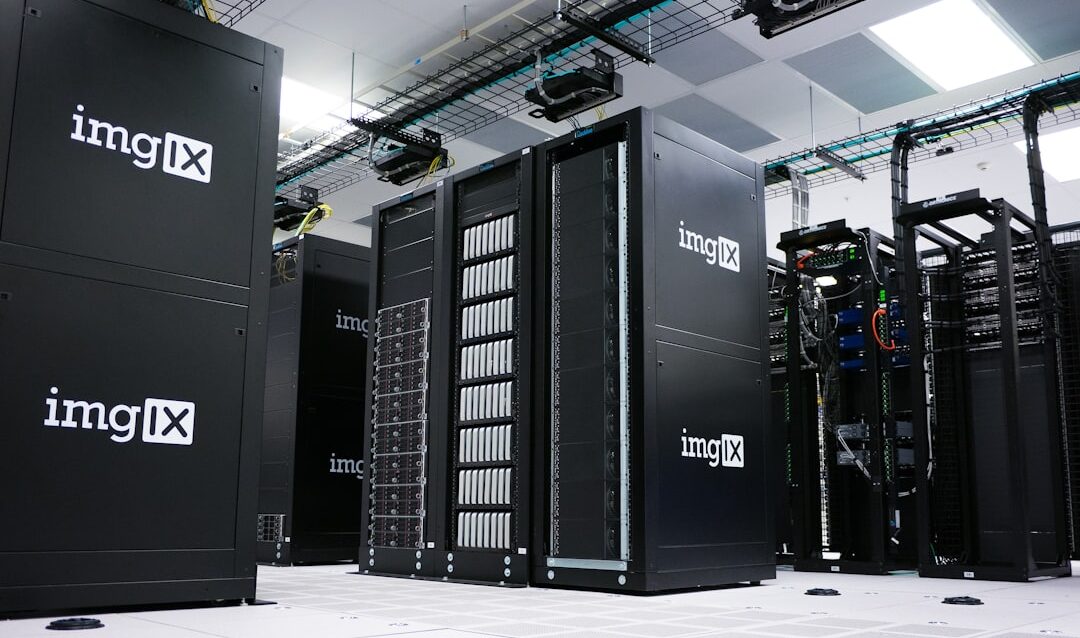
Access to high-quality, domain-specific data and robust cloud infrastructure is crucial for training, deploying, and scaling generative AI solutions. Businesses must invest in data management strategies to ensure they have the necessary data for training and fine-tuning AI models. This includes data collection, cleaning, labeling, and storage. Furthermore, a comprehensive data governance framework is essential to ensure data quality, privacy, and security.
Robust cloud infrastructure is equally critical, providing the computational power and scalability needed to support the demands of generative AI. Cloud platforms such as AWS, Google Cloud, and Microsoft Azure offer a range of services and tools for training, deploying, and managing generative AI models. Organizations must carefully evaluate their infrastructure needs and select the appropriate cloud platform and services to support their specific requirements.
Furthermore, the ability to seamlessly integrate generative AI models with existing systems and workflows is essential for maximizing their impact. This requires a well-defined integration strategy that considers factors such as data compatibility, API integration, and security protocols. By ensuring seamless integration, businesses can leverage generative AI to enhance existing processes and create new value-added services.
3. Market Dynamics and Ecosystem
The generative AI market is experiencing explosive growth, driven by increasing demand for AI solutions across industries. According to a report by Gartner, the generative AI market is projected to reach billions of dollars in the coming years. Key players in this market include established cloud providers such as AWS, Google, and Microsoft, as well as innovative AI-native startups. These companies offer a wide range of generative AI products and services, including cloud platforms, pre-trained models, and development tools.
The competitive landscape is rapidly evolving, with new entrants and innovative solutions emerging constantly. Businesses must carefully evaluate the offerings of different vendors and select the solutions that best align with their specific needs and strategic objectives. This requires a deep understanding of the market dynamics, the strengths and weaknesses of different vendors, and the evolving technological landscape.
Moreover, partnerships and collaborations are playing an increasingly important role in the generative AI ecosystem. By partnering with other organizations, businesses can gain access to specialized expertise, complementary technologies, and valuable data resources. These collaborations can accelerate the development and deployment of generative AI solutions and drive innovation across industries.
Staying informed about market trends, competitive dynamics, and emerging technologies is crucial for success in the rapidly evolving generative AI landscape. By actively monitoring the ecosystem and engaging with key players, businesses can position themselves to capitalize on the opportunities presented by generative AI and mitigate potential risks.
3.1. The Role of Open Source
Open-source models and tools are playing a vital role in the generative AI ecosystem, driving accessibility and fostering innovation. Open source enables companies to access cutting-edge AI models and tools without requiring significant investment in expensive in-house resources. This lowers the barrier to entry for businesses of all sizes, allowing them to experiment with and adopt generative AI solutions more easily.
Furthermore, open-source communities encourage collaboration and knowledge sharing, accelerating the development and adoption of generative AI. These communities bring together developers, researchers, and practitioners from around the world, fostering a vibrant ecosystem of innovation. The collaborative nature of open source enables rapid iteration and improvement of AI models and tools, benefiting the entire community.
However, organizations must carefully consider the potential risks associated with using open-source models and tools. These risks can include security vulnerabilities, licensing issues, and lack of support. It’s essential to thoroughly evaluate open-source offerings and select reputable projects with strong community backing. Implementing appropriate security measures and ensuring compliance with licensing agreements is also crucial for mitigating potential risks.
4. Strategic Implications for the Enterprise
Generative AI presents a range of opportunities and challenges for enterprises. Opportunities include enhanced automation, improved customer experiences, accelerated product development cycles, and data-driven insights. However, businesses must also acknowledge potential threats such as competitive disruption, workforce displacement, ethical concerns, and data security risks.
- Enhanced Automation: Generative AI can automate repetitive tasks, freeing up employees to focus on higher-value work, thereby increasing productivity and efficiency. This can lead to significant cost savings and improved operational efficiency.
- Improved Customer Experiences: Generative AI empowers businesses to create personalized experiences for customers, increasing satisfaction and loyalty. This can drive customer retention and enhance brand reputation.
Navigating this complex landscape requires businesses to develop a strategic decision framework. This includes identifying high-impact use cases, assessing data readiness and infrastructure requirements, conducting pilot projects and iterating on generative AI solutions, and developing strong governance and ethics guidelines. By taking a proactive and strategic approach, businesses can harness the full potential of generative AI and mitigate potential risks.
Best Practice: Establish a cross-functional team with expertise in data, technology, business, and ethics to oversee generative AI implementation and ensure alignment with business objectives and ethical principles.
Moreover, investing in talent and training programs is essential for developing the necessary skills and expertise to effectively implement and manage generative AI solutions. Building internal competencies in areas such as machine learning, data science, and prompt engineering will empower organizations to fully leverage the capabilities of generative AI and achieve their strategic goals. Furthermore, fostering a culture of innovation and experimentation will encourage employees to explore new possibilities and develop innovative solutions.
5. FAQ
Here are some frequently asked questions about enterprise generative AI:
- How can we ensure responsible AI development and deployment? Establish clear ethical guidelines, conduct thorough risk assessments, and prioritize transparency and explainability in AI systems. Furthermore, incorporating diverse perspectives into the development process can help mitigate bias and ensure fairness.
- What are the key skills needed to build and manage generative AI solutions? Expertise in data science, machine learning, prompt engineering, and cloud computing is essential, along with a strong understanding of business domains and ethical considerations. Building a team with a diverse skill set is crucial for success.
- How can we measure the ROI of generative AI implementations? Define clear key performance indicators (KPIs) aligned with business objectives, track metrics related to efficiency gains, cost reductions, and revenue growth, and conduct regular evaluations to assess the impact of generative AI on business outcomes.
- What are the key security considerations for generative AI? Implement robust security measures to protect sensitive data used in training and deployment, address potential vulnerabilities related to model manipulation and adversarial attacks, and develop comprehensive security protocols to ensure the integrity and confidentiality of AI systems.
6. Conclusion
Enterprise generative AI represents a paradigm shift in how businesses operate and innovate. By understanding the opportunities, risks, and key strategies outlined in this guide, C-suite leaders can position their organizations for success in the age of AI. It is crucial to adopt a strategic approach, invest in the right capabilities, and focus on responsible AI development and deployment.
Generative AI is not merely a technological advancement; it is a catalyst for a new era of business innovation, enabling companies to reinvent themselves for a future powered by intelligent automation and creative collaboration. By embracing this transformative technology, businesses can enhance customer experiences, optimize operations, and unlock new sources of value.
As the generative AI landscape continues to evolve, organizations that embrace this transformative technology and invest in building the necessary skills and capabilities will be best positioned to lead their respective industries and shape the future of business. Continuous learning, adaptation, and a commitment to responsible AI practices will be essential for success in the age of generative AI.